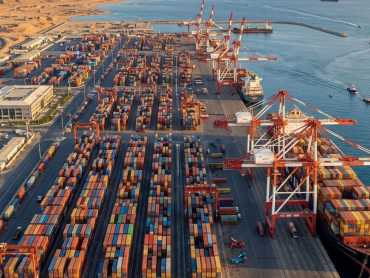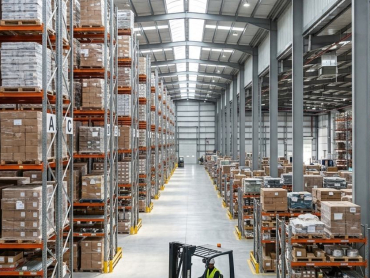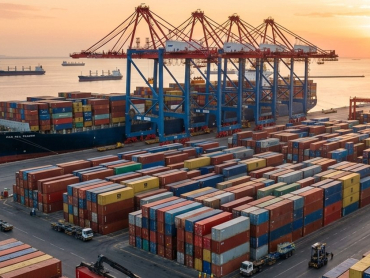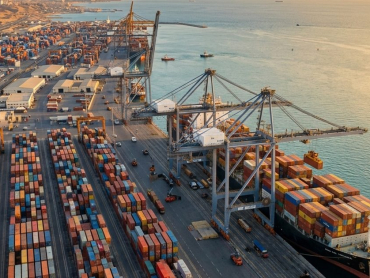
Ask three freight forwarders for a quote to ship into Saudi Arabia and you’ll get three very different numbers — and none of them is what you’ll actually pay. The headline sea or air rate is only the visible tip. Underneath sit customs duties, VAT, port charges, conformity certificates and a handful of costs that only appear after your cargo lands — by which point it’s too late to shop around.
We’re BAFCO International. We’ve moved cargo through Jeddah, Riyadh and Dammam for 30 years, and the single biggest reason importers overpay isn’t the freight rate — it’s the costs nobody quoted them. This guide breaks down the 9 hidden costs that inflate a Saudi shipment in 2026, what each one roughly adds, and exactly how to keep them off your invoice.
Want the short version? Get an all-in quote from BAFCO and we’ll show every line before you commit — no surprises after the ship sails.
Why a freight quote is never the final price in Saudi Arabia
Freight forwarding is the business of moving goods across borders and oceans — but “the freight” is only one line on a landed-cost sheet. The difference between a cheap-looking quote and an honest one is whether it includes destination charges, customs, and compliance. Get those wrong and a “saving” of a few hundred riyals on the ocean rate can cost you thousands at the port.
Here are the nine that catch importers out — and how a 30-year operator keeps them down.
The 9 hidden costs (and how to avoid each)
1. Customs duty — and the 15% VAT everyone forgets
Saudi customs duty is typically 5% of the CIF value under the GCC Common Customs Tariff — but it ranges from 0% (many books, medicines and basic foodstuffs) up to 15–20% on selected/protected goods, and as high as 100% on items like tobacco. On top of that, 15% VAT applies to the landed value (goods + freight + insurance + duty) — collected by ZATCA. Many first-time importers budget for duty but forget VAT is charged on the whole landed cost, not just the goods.
– Avoid overpaying: classify goods under the correct HS code (over-classification = higher duty), and factor 15% VAT into your budget from day one.
2. SABER / SASO conformity certificates
Most regulated products can’t clear Saudi customs without a SABER certificate (Product Certificate of Conformity + Shipment Certificate) via the SABER platform under SASO. Miss it and your shipment sits — or gets rejected and re-exported at your cost.
– Avoid overpaying: confirm SABER/SASO requirements before shipping, not after arrival. A forwarder who handles this in-house saves you the re-export bill.
3. Demurrage & detention at the port — the silent budget-killer
This is the big one. Saudi ports give you only limited free time — customs generally expects the Bayan (import declaration) filed within about 3 days of the vessel’s arrival, and carriers typically allow roughly 5–7 days before container detention starts. After that, demurrage (the box sitting at the terminal) and detention (you holding the carrier’s container) accrue per container, per day — 2026 industry benchmarks put this at US$150–US$300 (≈ SAR 560–1,125) per container per day, escalating in tiers the longer it sits. At busy gateways like Jeddah Islamic Port and King Abdulaziz Port, Dammam, a few days of clearance delay can quietly dwarf any freight-rate “saving.”
– Avoid overpaying: pre-clear documents and customs before the vessel arrives, and use a forwarder with owned container terminals and on-the-ground clearance teams to move boxes before the clock runs.
4. Port handling, THC & documentation charges
Terminal Handling Charges (THC), documentation, bill-of-lading and port service fees are standard at Saudi ports (tariffs published by Mawani, the Saudi Ports Authority) — but they’re frequently excluded from a cheap freight quote and added later.
– Avoid overpaying: insist on an all-in quote that names THC, doc and port fees up front.
5. Customs inspection & clearance delays (usually a wrong HS code)
Saudi trade runs through the FASAH single-window platform. An incorrect HS code, incomplete paperwork or a flagged inspection means delays — and delays feed straight back into demurrage (#3) and storage (#6).
– Avoid overpaying: get classification and documentation right the first time. This is where experienced customs clearance earns its fee back many times over.
6. Storage when cargo can’t move
If a container clears but there’s nowhere to send it — or it clears slowly — you pay storage. Port storage is expensive; bonded/managed warehousing is far cheaper and more flexible.
– Avoid overpaying: line up warehousing before arrival so goods move off the quay and onto cheaper storage immediately.
7. Last-mile trucking across a very large country
Saudi Arabia is big. Jeddah to Riyadh is ~950 km; Riyadh to Dammam another ~400 km. Inland haulage, fuel and cross-city delivery are a real cost that a port-only quote ignores.
– Avoid overpaying: use a forwarder with its own transport and branches in all three hubs (Jeddah, Riyadh, Dammam) so the last mile isn’t sub-contracted at a markup.
8. Cargo insurance gaps
Under many Incoterms (e.g. FOB, CFR) the goods are your risk at sea — yet plenty of shipments travel uninsured because “the forwarder must have covered it.” They didn’t. One damaged container can wipe out a year of freight savings.
– Avoid overpaying (on risk): match your Incoterm to who actually insures the cargo, and add marine cargo insurance where you carry the risk.
9. Currency, fuel (BAF) & peak-season surcharges
Bunker Adjustment Factor, peak-season surcharges, GRIs and currency swings quietly move the “fixed” rate you were quoted weeks earlier.
– Avoid overpaying: lock rates and validity periods in writing, and plan volume around peak windows and Vision 2030-driven demand spikes on Saudi trade lanes.
What a Saudi shipment actually costs — sample breakdown
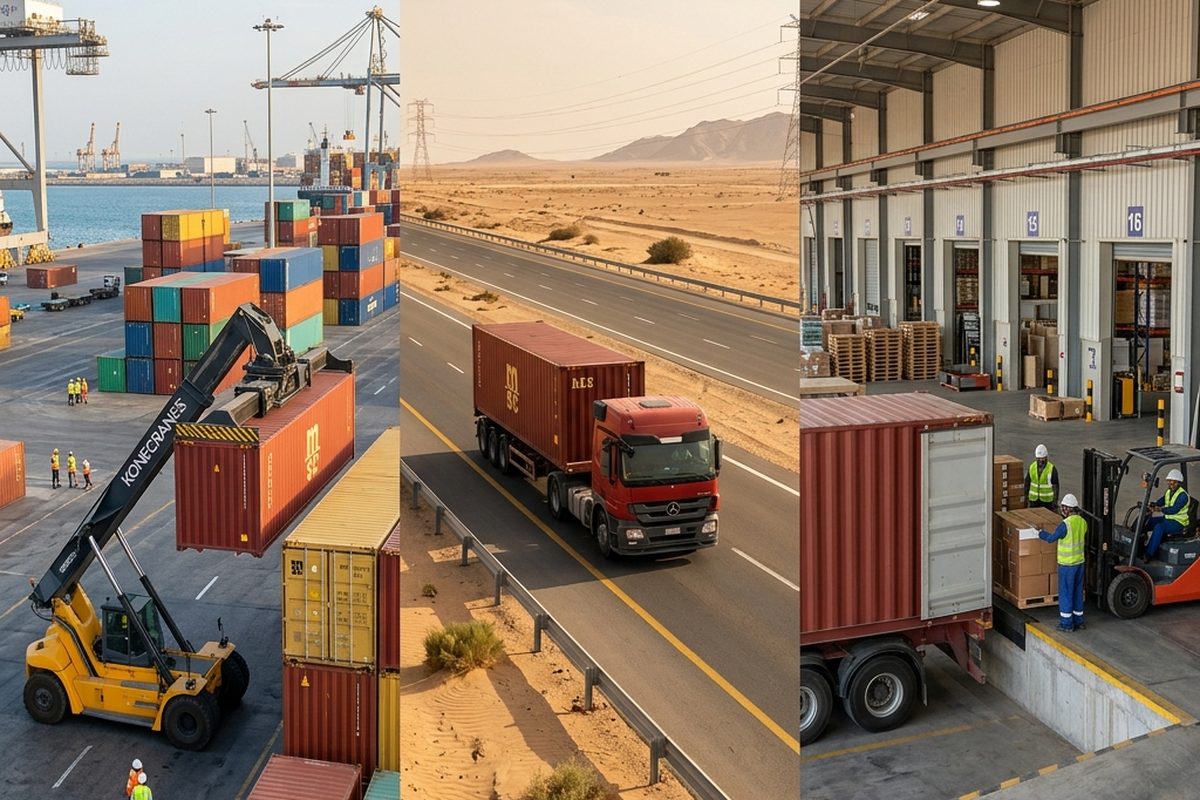
A realistic (illustrative) picture of where the money goes on a typical import — the freight rate is often less than half the landed cost:
Where the money actually goes — on a typical import, the ocean or air rate you focused on is often less than half the final landed cost:
| Cost component | Typical share of landed cost | Notes |
|---|---|---|
| Ocean/air freight (the “headline” rate) | ~30–45% | What most quotes show you |
| Customs duty (5%, up to 15–20%+) | ~5–15% | On CIF value; HS-code dependent |
| VAT (15%, ZATCA) | ~10–15% | On landed value (goods + freight + insurance + duty) |
| Port handling / THC / documentation | ~8–12% | Mawani tariff + shipping-line charges |
| SABER/SASO + customs clearance | ~3–6% | Conformity + broker fees |
| Inland trucking / last mile | ~8–15% | Jeddah ↔ Riyadh ↔ Dammam distances |
| Demurrage / storage (if delayed) | 0 → 20%+ | Avoidable with pre-clearance |
| Cargo insurance | ~1–3% | Where you carry the risk |
Now put real riyals on it. Here’s an illustrative 20ft FCL of general goods landing at Jeddah with a CIF value of SAR 100,000 — a worked example, not a quote:
| Line item | How it’s worked out | Illustrative (SAR) |
|---|---|---|
| CIF value of goods (incl. freight + insurance) | Supplier invoice + freight + insurance | 100,000 |
| Customs duty | 5% × CIF (standard rate) | 5,000 |
| VAT | 15% × (CIF + duty) = 15% × 105,000 | 15,750 |
| Port handling / THC / docs | Mawani + line charges | 2,500 – 4,000 |
| SABER/SASO + customs brokerage | Conformity + clearance | 1,500 – 3,000 |
| Inland delivery (Jeddah → Riyadh, ~950 km) | Trucking | 3,000 – 5,000 |
| Landed cost before any delay | ≈ 127,750 – 132,750 | |
| Demurrage if cleared ~5 days late | ~SAR 560–1,125 / container / day | + 2,800 – 5,600 ⚠️ avoidable |
Read that twice: customs duty + VAT alone add ≈ SAR 20,750 to a SAR 100,000 shipment — a 20%+ uplift before a single port or trucking fee — and a short clearance delay quietly adds thousands more that pre-clearance would have wiped out.
Two things to remember:
– The cheapest freight rate is rarely the cheapest shipment. A slightly higher all-in quote that avoids demurrage and re-export usually wins.
– Every figure above is controllable with correct classification, pre-clearance and the right Incoterm.
How to avoid overpaying — the 6-point checklist
- Demand an all-in quote — freight + THC + docs + customs + delivery on one sheet.
- Get the HS code right — it drives duty and clearance speed.
- Sort SABER/SASO before you ship — never after arrival.
- Pre-clear customs so boxes move before demurrage starts.
- Pick the right Incoterm and insure the legs where you carry the risk.
- Use an asset-backed forwarder with owned terminals, warehousing and branches in Jeddah, Riyadh and Dammam — fewer sub-contractor markups, faster clearance.
Why an experienced Saudi forwarder pays for itself
The costs above aren’t unavoidable — they’re information gaps. A forwarder who clears cargo in Saudi Arabia every day prevents them before they hit your invoice. With 30 years in the Kingdom, owned container terminals, 100,000+ of warehousing capacity and in-house customs teams across Jeddah, Riyadh and Dammam, BAFCO quotes the landed cost — not just the freight — and moves cargo before the meter starts.
Compare us against the field in our 10 best freight forwarders in Saudi Arabia guide, or if you need recurring flow, our 3PL companies in Saudi Arabia breakdown.
Frequently asked questions
How much does freight forwarding cost in Saudi Arabia in 2026?
It depends on mode (sea LCL/FCL, air, land), volume, origin and commodity — but the freight rate is often less than half the landed cost once you add customs duty (typically 5%, up to 15–25%), 15% VAT, SABER/SASO certification, port handling, clearance and delivery. Always compare all-in quotes, not headline freight rates.
What is the biggest hidden cost when importing to Saudi Arabia?
Demurrage and detention at Jeddah and Dammam ports. When customs clearance is slow, per-container, per-day charges accrue quickly and can exceed any saving on the freight rate. Pre-clearance is the fix.
Do I need a SABER certificate to ship to Saudi Arabia?
For most regulated products, yes — a SABER Product Certificate of Conformity and a Shipment Certificate (under SASO) are required to clear customs. Arrange it before shipping to avoid rejection or re-export.
Is VAT charged on imports into Saudi Arabia?
Yes — 15% VAT (via ZATCA) applies to the landed value: goods + freight + insurance + customs duty. Budget for it from the start.
How can I reduce my freight forwarding costs in Saudi Arabia?
Get an all-in quote, classify goods under the correct HS code, arrange SABER/SASO early, pre-clear customs to avoid demurrage, choose the right Incoterm and insurance, and use an asset-backed forwarder with owned terminals and branches in all three hubs.
Which is cheaper — sea or air freight to Saudi Arabia?
Sea freight is far cheaper per kg for anything non-urgent; air freight is faster and suits high-value, time-critical or light cargo. Consolidated LCL sea can be very cost-effective for smaller volumes. Talk to us and we’ll model both against your deadline.
Related reads
- Everything You Need to Know About Freight Forwarding Services in Saudi Arabia
- 10 Best Freight Forwarders in Saudi Arabia for Hassle-Free Shipping
- Best 3PL Companies in Saudi Arabia
- Freight Forwarders in Jeddah
Get an all-in quote — every line, before you ship
Stop budgeting for the freight rate and getting surprised by the landed cost. Send BAFCO your shipment details and we’ll quote customs, VAT, port charges, delivery and all — with 30 years of Saudi clearance experience keeping the hidden costs off your invoice.
📞 +966 12 642 0333
📧 inquiry@bafcointl.com
🚢 Request a freight quote
📍 Jeddah HQ · Branches in Riyadh, Dammam & Jubail