Picking a forwarder looks simple: send your shipment details to a few companies, compare the quotes, choose the cheapest. That is exactly how Saudi importers end up with cargo stuck at Jeddah Islamic Port, a surprise VAT bill, and a demurrage clock they didn’t know was running. The forwarder you choose controls your customs clearance, your free-time risk and roughly half of your landed cost — long before a single container moves.
We’re BAFCO International. We’ve cleared and moved cargo through Jeddah, Riyadh and Dammam for 30 years, and we’ve seen the same avoidable mistakes drain importer budgets over and over. Choosing the right freight forwarder in Saudi Arabia is one of the highest-leverage decisions in your supply chain — so here are the 9 costly mistakes to avoid in 2026, why each one hurts, and exactly how to sidestep it.
Why the wrong forwarder is so expensive in Saudi Arabia
Saudi Arabia is not a plug-and-play market. Every regulated shipment has to satisfy SABER/SASO conformity, clear ZATCA customs via a Bayan declaration on the FASAH single window, carry the correct HS code, and beat the limited free time before demurrage starts. A forwarder who is fluent in all of that saves you money on every shipment. One who isn’t quietly bills you for their learning curve — in held containers, rejected cargo and fees that only appear after the goods land.
The nine mistakes below are ranked strongest first. Get the top three right and you’ve already avoided most of the pain.
The 9 costly mistakes (and how to avoid each)
1. Choosing on the freight rate alone — and ignoring landed cost
This is the number-one budget killer. The ocean or air rate you’re comparing is often less than half your true landed cost. On top of it sit customs duty (typically 5% of CIF under the GCC Common Customs Tariff, up to 15–20%+ on protected goods), 15% VAT charged by ZATCA on the landed value, terminal handling, clearance and inland delivery. A quote that’s a few hundred riyals cheaper on freight can be thousands more expensive once those lines appear.
– How to avoid it: Compare landed cost, not headline freight. Ask every forwarder to quote customs, VAT, port charges, clearance and delivery on one sheet. Our full breakdown of freight forwarding costs in Saudi Arabia shows where the money really goes.
2. Hiring a forwarder with no in-house customs or SABER/SASO expertise
Most regulated products can’t clear Saudi customs without a SABER certificate — a Product Certificate of Conformity plus a Shipment Certificate under SASO, issued via the SABER platform. A forwarder who outsources clearance or doesn’t know the right SABER category for your product is a shipment held, rejected, or re-exported at your expense. The same applies to ZATCA Bayan declarations and duty-exemption paperwork.
– How to avoid it: Confirm the forwarder clears customs in-house with its own licensed brokers, and arranges SABER/SASO before the vessel sails — never after arrival.
3. Letting them guess your HS code
Your HS code does two jobs: it sets your duty rate and it drives your clearance speed. Over-classify and you overpay duty on every single shipment. Mismatch the code to the goods or the invoice and the FASAH single window flags it — triggering inspection, delay, and the demurrage that follows.
– How to avoid it: Insist the forwarder validates the HS code against your actual goods and commercial invoice up front, rather than copying whatever was used last time.
4. Ignoring demurrage and free-time risk
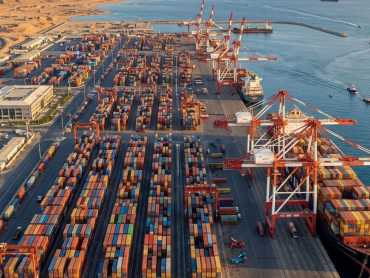
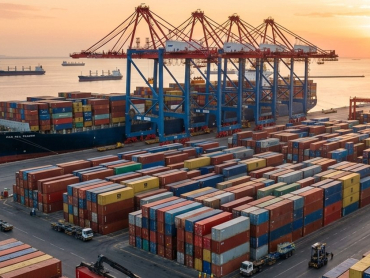
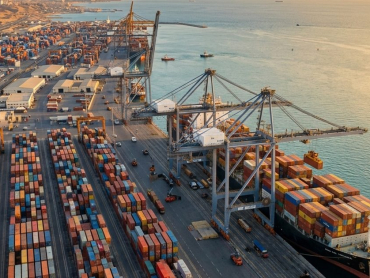
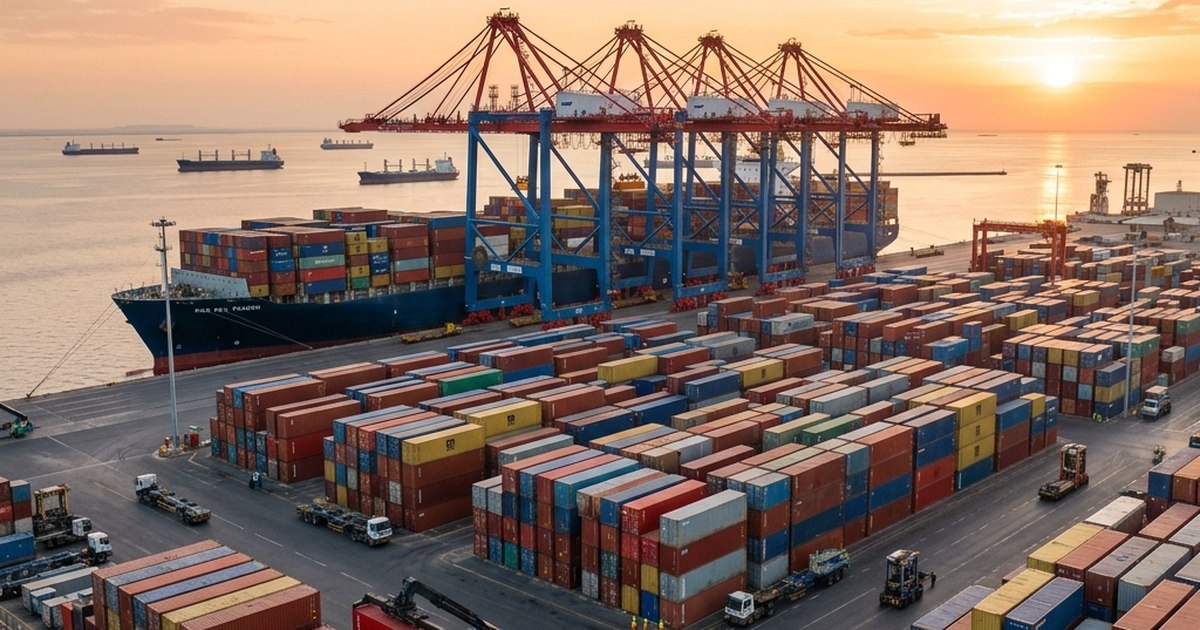
Saudi ports give you only limited free time. Customs generally expects the Bayan filed within about 3 days of the vessel’s arrival, and carriers typically allow roughly 5–7 days before container detention begins. After that, demurrage (the box sitting at the terminal) and detention (you holding the carrier’s container) accrue per container, per day — 2026 benchmarks run US$150–US$300 (≈ SAR 560–1,125) per container per day, escalating in tiers. At Jeddah Islamic Port and King Abdulaziz Port, Dammam, a few days of slow clearance can dwarf any freight-rate “saving.”
– How to avoid it: Choose a forwarder who pre-clears documents before arrival and has owned container terminals and on-the-ground teams to move boxes before the clock runs. Port tariffs are published by Mawani, the Saudi Ports Authority.
5. Accepting a quote that isn’t truly “all-in”
Terminal Handling Charges (THC), documentation, bill-of-lading fees, bunker adjustment (BAF), peak-season surcharges, GRIs and currency swings are routinely left off a cheap quote and added once your cargo is committed. A quote far below the rest usually means charges are hidden, not absent.
– How to avoid it: Demand a written all-in quote that names every line item and a validity period. Transparency at the quoting stage is the single clearest signal of a reliable forwarder.
6. No real local presence across Jeddah, Riyadh and Dammam
Saudi Arabia is vast — Jeddah to Riyadh is ~950 km; Riyadh to Dammam another ~400 km. A forwarder with no office or fleet in your hub sub-contracts the last mile at a markup and can’t put a person at the port when your container is stuck. Pure brokers with no assets simply can’t move fast when it matters.
– How to avoid it: Prefer an asset-backed forwarder with its own offices, transport and warehousing across all three hubs. See what strong local coverage looks like on our freight forwarders in Jeddah page.
7. Overlooking project-cargo and heavy-lift capability
Oversized, out-of-gauge and heavy-lift shipments — think EPC, oil & gas and industrial equipment — need specialised equipment, route surveys, permits and genuine experience. A general forwarder learning on your breakbulk consignment is an expensive gamble with your schedule and your cargo.
– How to avoid it: If you move anything abnormal, confirm a proven project cargo track record before you sign — not a “we can probably handle it.”
8. The wrong Incoterm — and no cargo insurance
Under Incoterms like FOB and CFR, the goods are your risk at sea. Yet plenty of shipments travel uninsured because the importer assumed “the forwarder must have covered it.” They didn’t. One damaged or lost container can erase a year of freight savings — and the wrong Incoterm also hands control and cost to the other party.
– How to avoid it: Match your Incoterm to who actually controls and insures each leg, and add marine cargo insurance wherever you carry the risk. A good forwarder advises on this before you book.
9. Poor visibility, tracking and communication
If you only hear from your forwarder when something has already gone wrong, you can’t plan around it. No proactive milestone updates means missed free-time windows, surprise delays and stockouts — costs that never show up on the quote but hit your business hard.
– How to avoid it: Expect proactive tracking, a named point of contact and a clear escalation path. Test how quickly a forwarder responds before you commit — it’s a reliable preview of life as their customer.
Red flags vs. what good looks like
Use this as a quick scorecard when you compare forwarders:
| Decision area | 🚩 Red flag | ✅ What good looks like |
|---|---|---|
| Pricing | Only a headline freight rate | Written all-in landed-cost quote (freight + THC + customs + VAT + delivery) |
| Customs & SABER/SASO | Outsources clearance; vague on conformity | In-house licensed brokers; sorts SABER/SASO before the vessel sails |
| HS classification | “We’ll estimate the code” | Validates the HS code against your goods and invoice |
| Demurrage / free time | No pre-clearance plan | Pre-clears documents pre-arrival; owned terminals and port teams |
| Local coverage | One office, sub-contracts the rest | Own branches, fleet and warehousing in Jeddah, Riyadh, Dammam |
| Project cargo | “We can probably handle it” | Proven heavy-lift / out-of-gauge track record |
| Risk & insurance | Silent on Incoterms and cover | Advises on Incoterm; arranges marine cargo insurance |
| Visibility | You chase them for updates | Proactive milestone tracking + a named contact |
7 questions to ask before you sign
- Can you show me a full all-in landed-cost quote, not just the freight rate?
- Do you clear customs in-house, and will you arrange SABER/SASO before shipping?
- Who confirms my HS code — and how do you validate it?
- What’s your plan to avoid demurrage at Jeddah or Dammam if clearance slows?
- Do you have your own offices, fleet and warehousing in my hub(s)?
- Can you handle my cargo type — FCL, LCL, reefer or project cargo?
- How will I track my shipment, and who is my named point of contact?
If a forwarder answers all seven cleanly and in writing, you’ve found a serious partner. If they dodge them, you’ve dodged a costly mistake.
Why a 30-year Saudi operator de-risks the decision
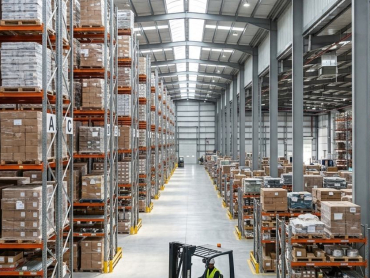
Every mistake above is really an information and capability gap — and a forwarder who clears cargo in the Kingdom every day closes it before it reaches your invoice. With 30 years in Saudi Arabia, owned container terminals, 100,000+ of warehousing capacity, in-house customs teams and branches across Jeddah, Riyadh and Dammam, BAFCO quotes the landed cost, pre-clears before arrival, and moves your cargo before the demurrage meter starts.
Weighing your options? Compare the field in our 10 best freight forwarders in Saudi Arabia guide, and if you need recurring flow, see our best 3PL companies in Saudi Arabia breakdown.
Frequently asked questions
What is the most common mistake when choosing a freight forwarder in Saudi Arabia?
Choosing on the headline freight rate instead of the landed cost. The freight rate is often less than half of what you’ll actually pay once customs duty, 15% VAT, port handling, SABER/SASO and delivery are added. Always compare all-in quotes.
How do I know if a freight forwarder has real Saudi customs expertise?
Look for in-house licensed customs brokers, direct handling of SABER/SASO conformity, ZATCA Bayan declarations on the FASAH single window, and correct HS-code classification. A forwarder who outsources all of this is a risk to your clearance timeline.
Do I really need a forwarder with offices in Jeddah, Riyadh and Dammam?
For anything moving inland, yes. The distances are large (Jeddah to Riyadh is ~950 km), and a forwarder with its own branches, transport and warehousing in each hub avoids sub-contractor markups and can act fast when a container is stuck at the port.
How can I avoid demurrage and detention charges in Saudi ports?
Pre-clear your documents and customs before the vessel arrives. Saudi free time is short — roughly 3 days for the Bayan and 5–7 days before detention — so use a forwarder with owned terminals and port teams who can move boxes before charges start.
Should my freight forwarder arrange cargo insurance?
It depends on your Incoterm. Under terms like FOB and CFR, the goods are your risk at sea, so you should add marine cargo insurance for those legs. A good forwarder will advise you on the right Incoterm and arrange cover where you carry the risk.
What’s the difference between a freight forwarder and a customs broker in Saudi Arabia?
A freight forwarder organises the end-to-end movement of your cargo (booking carriers, routing, documentation, delivery). A customs broker specifically handles clearance with ZATCA. The strongest Saudi forwarders do both in-house, so you get one accountable partner instead of a hand-off gap.
What questions should I ask before hiring a freight forwarder?
Ask for an all-in landed-cost quote, whether they clear customs in-house, how they confirm your HS code, their demurrage-avoidance plan, their local coverage, their cargo-type capability, and how you’ll track shipments. See the 7-question checklist above.
Is the cheapest freight forwarder the cheapest option overall?
Rarely. A slightly higher all-in quote that avoids demurrage, re-export and hidden charges almost always beats a cheap freight rate that leaves those costs off the page. Judge on total landed cost and reliability, not the sticker rate.
Related reads
- Everything You Need to Know About Freight Forwarding Services in Saudi Arabia
- 9 Hidden Costs of Freight Forwarding in Saudi Arabia (2026)
- 10 Best Freight Forwarders in Saudi Arabia for Hassle-Free Shipping
- Best 3PL Companies in Saudi Arabia
Get it right the first time — talk to a 30-year Saudi forwarder
Don’t let the wrong choice cost you at the port. Send BAFCO your shipment details and we’ll quote the landed cost — customs, VAT, port charges, clearance and delivery — before you commit, with three decades of Saudi clearance experience keeping the costly mistakes off your invoice.
📞 +966 12 642 0333
📧 inquiry@bafcointl.com
🚢 Request a freight quote
📍 Jeddah HQ · Branches in Riyadh, Dammam & Jubail